★Open Access • Peer-Reviewed • Established 1988

Pakistan Journal of Pharmaceutical Sciences

Pakistan Journal of Pharmaceutical Sciences (PJPS) is an international, peer-reviewed, open-access journal dedicated to publishing high-quality research that advances pharmaceutical, biomedical, and medicinal sciences. Published by the Faculty of Pharmacy and Pharmaceutical Sciences, University of Karachi since 1988, PJPS provides a trusted platform for researchers, academicians, clinicians, and industry professionals worldwide to disseminate innovative discoveries, foster scientific collaboration, and accelerate the translation of research into better healthcare outcomes. We welcome original research, reviews, and emerging innovations that shape the future of pharmaceutical sciences.

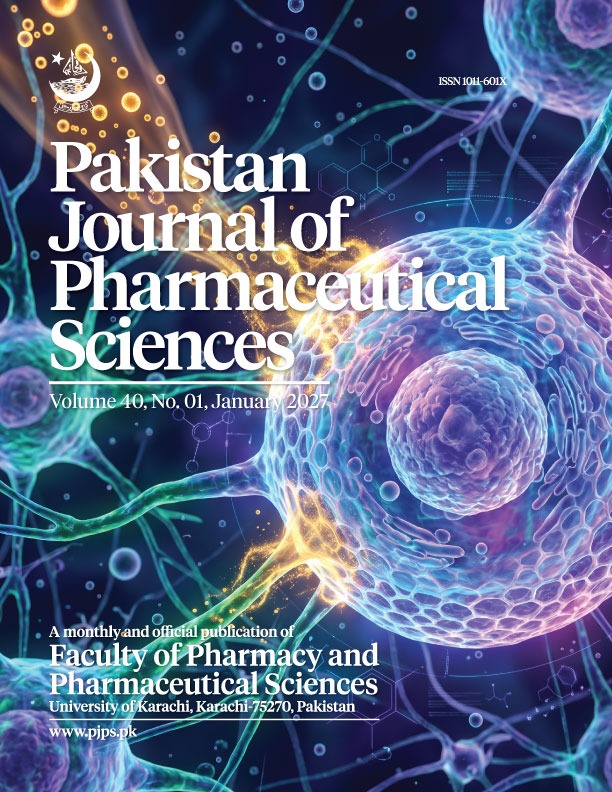
Journal Cover 40 Issue 1
0.6
IMPACT FACTOR
Clarivate Analytics
1011-601X/3105-9686
ISSN PRINT / ONLINE
Since 1988
12500+
TOTAL CITATIONS
Google Scholar
6000+
ARTICLES PUBLISHED
Peer-Reviewed
100+
COUNTRIES REACHED
Global Readership

Latest Research Articles

Browse All Articles
original articlesPublished Date:
Volume 40, Issue 2Available Online Date: 02 Nov 2026

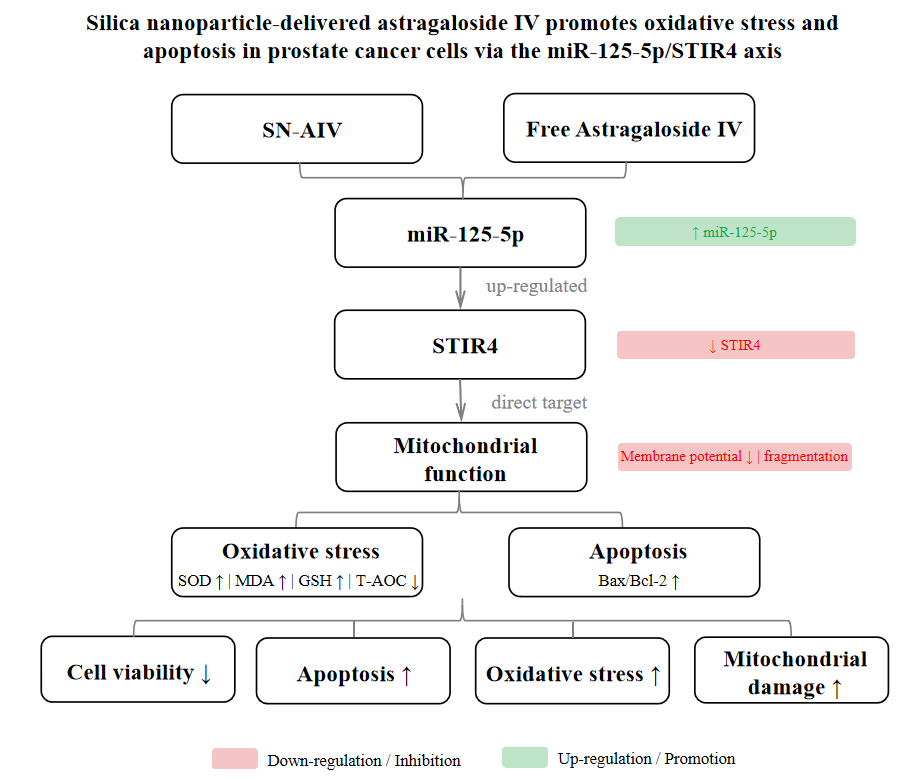
Silica nanoparticle-delivered astragaloside IV promotes oxidative stress and apoptosis in prostate cancer cells via the miR-125-5p/STIR4 axis

Abstract: Background: Prostate cancer (PCa) treatment is limited by drug resistance and toxicity. Astragaloside IV (AIV) has anti-tumor activity but poor bioavailability. Objectives: To prepare silica nanoparticle-loaded astragaloside IV (SN-AIV) and to investigate whether it induces oxidative stress and apoptosis in PC-3 cells via the miR-125-5p/STIR4 axis. Methods: SN-AIV was prepared and characterized. PC-3 cells were treated with SN-AIV, free AIV, or controls. Cell viability, apoptosis, mitochondrial function and oxidative stress markers were assessed. qRT-PCR and Western blot detected miR-125-5p and STIR4 expression. A dual-luciferase reporter assay confirmed target binding. Functional rescue experiments were performed. Results: SN-AIV exhibited uniform size (98.4 ± 6.2 nm) and sustained release. Compared with controls, SN-AIV significantly reduced cell viability, induced apoptosis, decreased mitochondrial membrane potential, increased MDA and decreased SOD and GSH levels. SN-AIV up-regulated miR-125-5p and down-regulated STIR4. STIR4 was confirmed as a direct target of miR-125-5p. miR-125-5p overexpression or STIR4 knockdown mimicked SN-AIV effects, while miR-125-5p inhibition reversed them. Conclusion: SN-AIV induces oxidative stress and apoptosis in PC-3 cells by up-regulating miR-125-5p and down-regulating STIR4, providing an experimental basis for nanoparticle-delivered AIV in PCa treatment.
Silica
nanoparticle-delivered astragaloside IV promotes oxidative stress and apoptosis
in prostate cancer cells via the miR-125-5p/STIR4 axis
Page No:705-718
Chungping Yang, Peihsin Shie, Zhenye Xu
View Abstract
reviewsPublished Date:
Volume 40, Issue 2Available Online Date: 01 Nov 2026

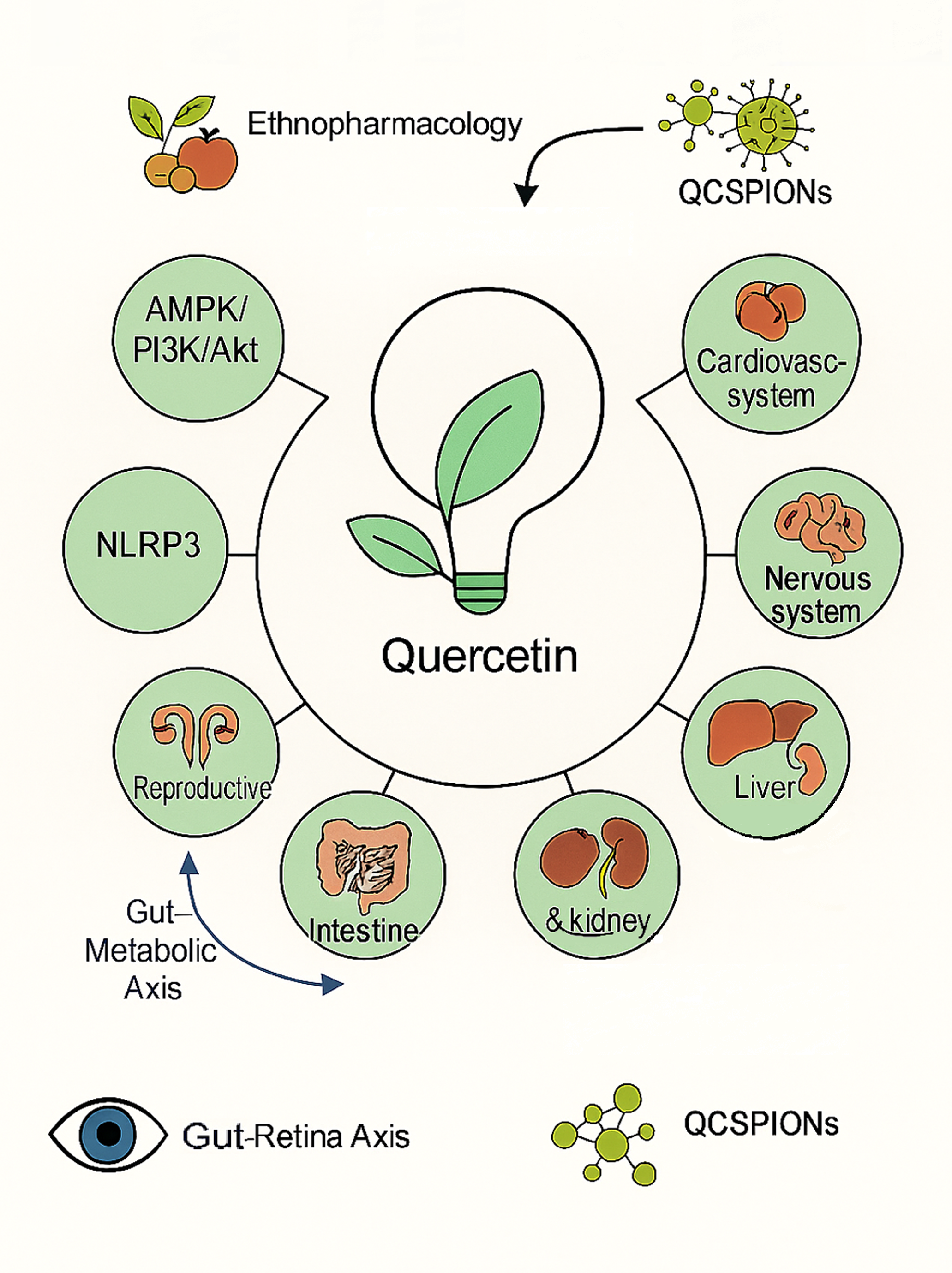
Gene–pathway–organ perspective on quercetin in diabetic complications: A narrative review of preclinical evidence

Abstract: Diabetic complications involve multiple mechanisms, including metabolic disorders, oxidative stress, inflammation, fibrosis and apoptosis. Quercetin possesses multi-target regulatory potential, but relevant preclinical evidence remains scattered across different organs and signaling pathways. This narrative review aims to synthesize rodent evidence on quercetin-related genes, signaling pathways and organ protection in diabetic complications from a gene–pathway–organ perspective. Relevant rodent studies published from inception to June 2025 were searched in PubMed, EMBASE, Web of Science, Cochrane Library and Springer Link databases. Seventy-eight studies were included after screening. Due to significant heterogeneity among studies, a narrative approach was used for evidence synthesis. Quercetin mainly regulates pathways such as AMPK, PI3K/Akt, Nrf2/HO-1, NF-κB, TGF-β/Smad3, SIRT1 and NLRP3 and is involved in metabolic, cardiovascular, hepatic, renal, nervous, intestinal, wound-healing, reproductive and retinal systems. Evidence is strong in the metabolic-cardiovascular, hepatic and renal systems, moderate in the nervous and intestinal systems and limited in other systems. Current animal evidence suggests that quercetin may act as a multi-target regulator in the intervention of diabetic complications. This "gene-pathway-organ" framework can serve as a hypothesis-generating tool to identify key molecular hubs, compare the strength of evidence across different organs and guide subsequent mechanism validation and translational research.

Gene–pathway–organ perspective on quercetin in
diabetic complications: A narrative review of preclinical evidence
Page No:694-704
Jie Zhan, Zhixin Chen, Bowen ZhangView more
View Abstract
original articlesPublished Date:
Volume 40, Issue 2Available Online Date: 29 Oct 2026

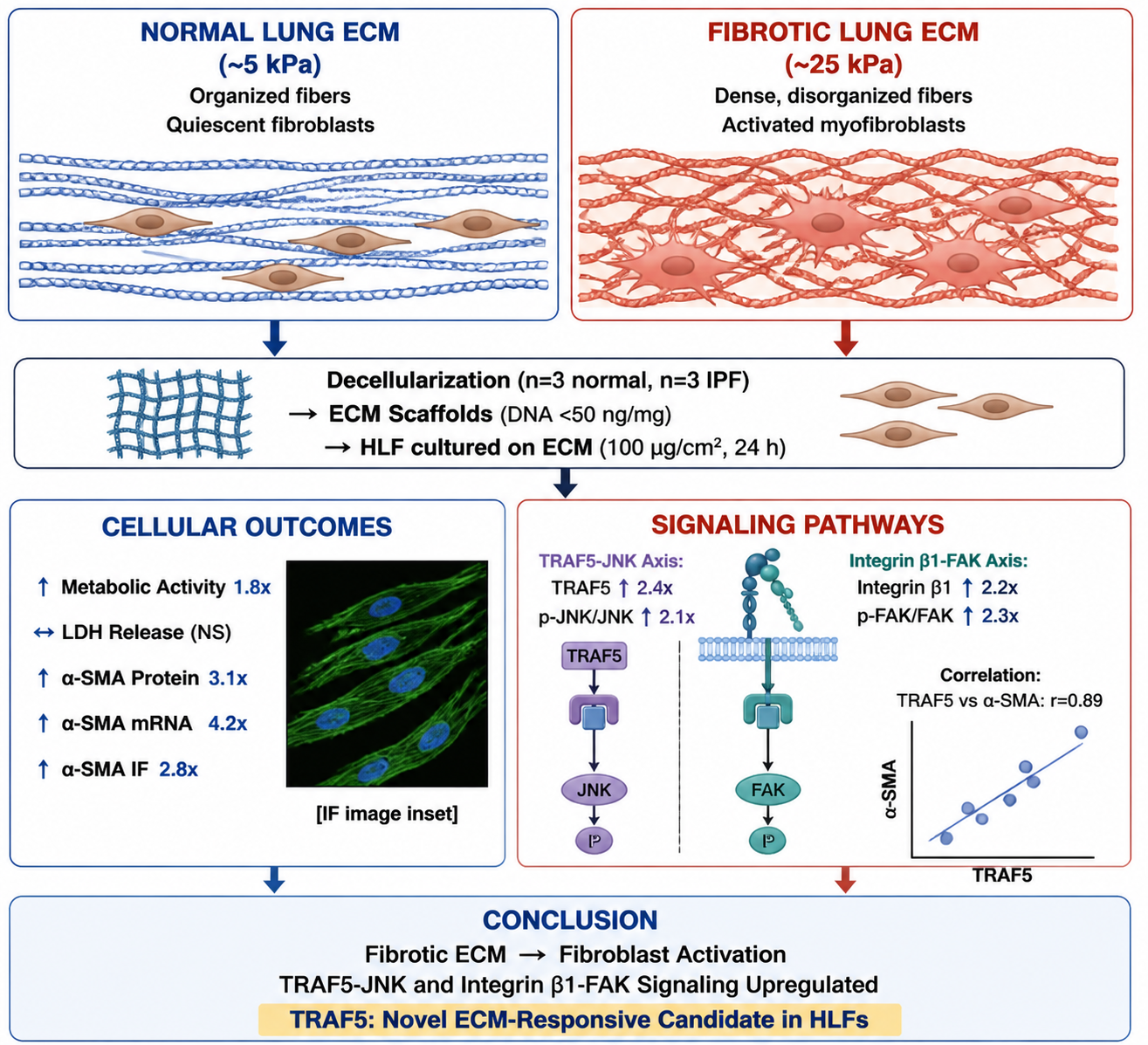
Correlational analysis of TRAF5-JNK and integrin β1-FAK signaling in human lung fibroblasts cultured on decellularized fibrotic versus normal lung extracellular matrix

Abstract: Background: Pulmonary fibrosis involves pathological remodeling of the extracellular matrix (ECM), which actively influences fibroblast behavior. The specific signaling pathways associated with fibrotic ECM-driven fibroblast activation remain incompletely defined. In particular, TNF receptor-associated factor 5 (TRAF5), a signaling adaptor traditionally studied in immune cells, has never been investigated as an ECM-responsive molecule in fibroblasts. Objectives: To investigate the effects of decellularized normal (N-ECM) and fibrotic (F-ECM) lung ECM on human lung fibroblast (HLF) metabolic activity and activation phenotype and to quantify associations with TRAF5-JNK and integrin β1-FAK signaling. Methods: Decellularized ECM scaffolds were prepared from normal (n=3) and fibrotic (IPF, n=3) human lung tissues, validated by DNA quantification (<50 ng/mg) and histology. Primary HLFs were cultured on ECM-coated plates (100 μg/cm²) for 24 hours. Metabolic activity was assessed by CCK-8 (with ECM-only controls); cytotoxicity by LDH release; protein expression by Western blot with densitometric normalization to GAPDH and total protein (p-JNK/JNK, p-FAK/FAK ratios); mRNA by qPCR; and α-SMA localization by immunofluorescence with ImageJ quantification. Pearson correlation analysis was performed to explore relationships between pathway components and activation markers. Results: F-ECM significantly increased HLF metabolic activity compared to Control (1.8-fold, 95% CI: 1.5–2.1, P<0.01) without elevating LDH release (P>0.05). ECM-only control wells showed no CCK-8 interference (OD450 < 0.05). Densitometric analysis demonstrated that F-ECM increased TRAF5 protein (2.4-fold, P<0.01), p-JNK/JNK ratio (2.1-fold, P<0.05), integrin β1 (2.2-fold, P<0.01) and p-FAK/FAK ratio (2.3-fold, P<0.01) compared to Control. The α-SMA protein (3.1-fold, P<0.01) and mRNA (4.2-fold, P<0.01) were also upregulated. TRAF5 and α-SMA protein expression showed a strong positive correlation (r=0.89, 95% CI: 0.71–0.96, P<0.001). Immunofluorescence confirmed increased α-SMA fluorescence intensity (2.8-fold, P<0.01) and spindle-shaped morphological changes in F-ECM-treated cells. Conclusion: Decellularized fibrotic lung ECM is associated with increased fibroblast metabolic activity and activation marker expression, correlating with upregulated TRAF5-JNK and integrin β1-FAK signaling. These correlational findings provide hypothesis-generating evidence for ECM-driven mechanisms in pulmonary fibrosis but require validation through pathway inhibition or gene knockdown studies to establish causality. TRAF5 is identified as a candidate ECM-responsive signaling molecule warranting further mechanistic investigation.

Correlational analysis of TRAF5-JNK and integrin
β1-FAK signaling in human lung fibroblasts cultured on decellularized fibrotic
versus normal lung extracellular matrix
Page No:682-693
YuMei Liu, Jing Shao, Meng ZhaoView more
View Abstract
reviewsPublished Date:
Volume 40, Issue 2Available Online Date: 27 Oct 2026

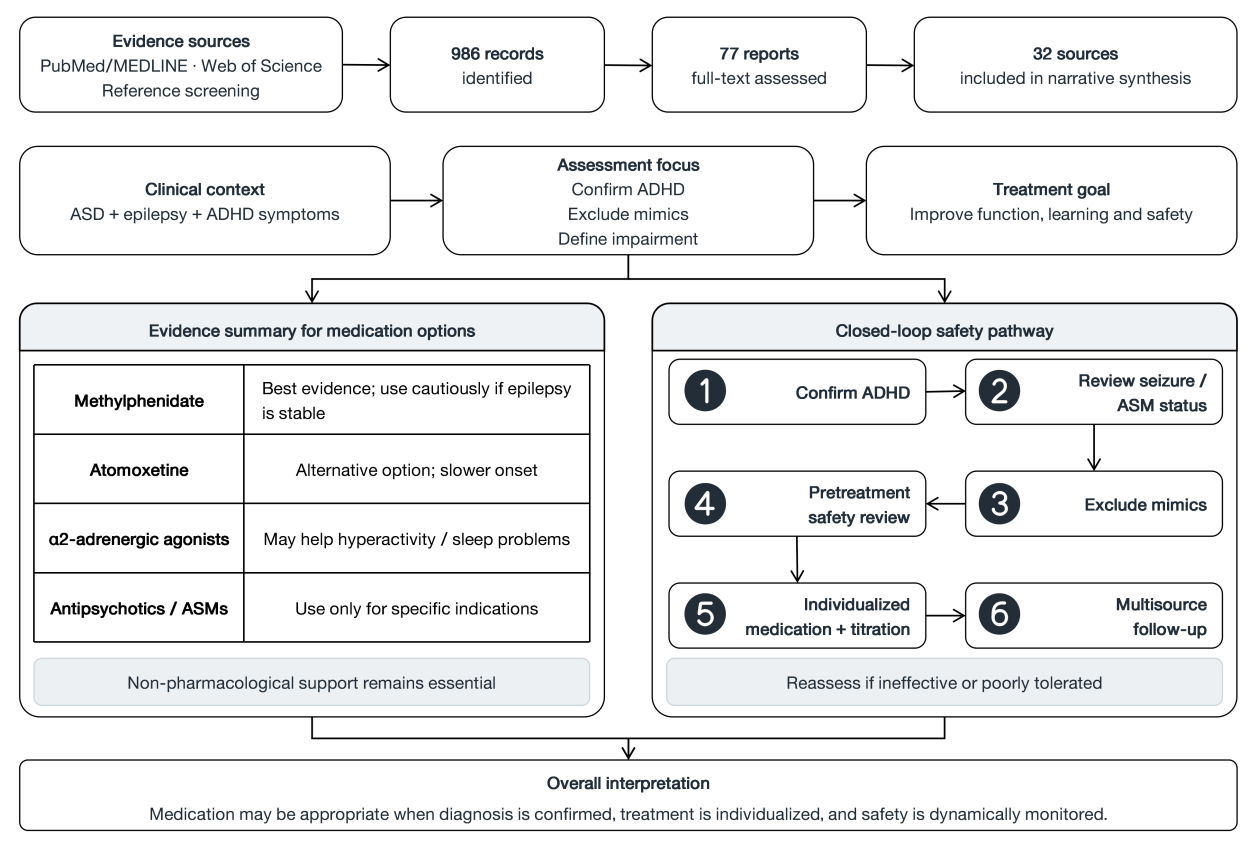
Pharmacological treatment of attention-deficit/hyperactivity disorder in children with autism spectrum disorder and epilepsy: Current evidence and safety considerations

Abstract: Attention-deficit/hyperactivity disorder (ADHD) symptoms frequently coexist with autism spectrum disorder (ASD) and epilepsy; however, seizure manifestations, antiseizure medication (ASM) effects, sleep disturbances and sensory or emotional factors can complicate diagnosis and treatment. Current evidence on ADHD pharmacotherapy in children with these overlapping conditions was synthesized in a narrative review of English-language clinical studies, reviews and professional guidance published mainly between 2020 and 2025, together with the 2018 International League Against Epilepsy consensus. Interpretation focused on diagnostic differentiation, seizure-related safety, tolerability and functional outcomes. Evidence specifically involving all three conditions remains limited. Methylphenidate has the strongest published support for core ADHD symptoms in children with epilepsy, particularly when seizures are stable and standard therapeutic doses are used. Atomoxetine is an alternative when stimulant treatment is unsuitable or poorly tolerated; alpha-2 adrenergic agonists may address selected symptoms of hyperactivity, impulsivity, or hyperarousal. Antipsychotics can be used for defined ASD-related behavioral indications but should not be regarded as primary ADHD treatments. A proposed clinical pathway links multisource diagnostic confirmation, seizure and ASM baseline assessment, individualized medication selection, gradual titration, seizure diaries, monitoring of sleep, appetite, growth, vital signs and mood and functional feedback from caregivers and schools. The suggested pathway provides an organizational aid rather than a validated risk prediction instrument. Medication decisions should prioritize demonstrable improvements in participation, learning and safety while maintaining neurological follow-up.

Pharmacological treatment of
attention-deficit/hyperactivity disorder in children with autism spectrum
disorder and epilepsy: Current evidence and safety considerations
Page No:671-681
Zhang Ye, Yuan Yazhen, Gou Yanyang
View Abstract
original articlesPublished Date:
Volume 40, Issue 2Available Online Date: 11 Nov 2026

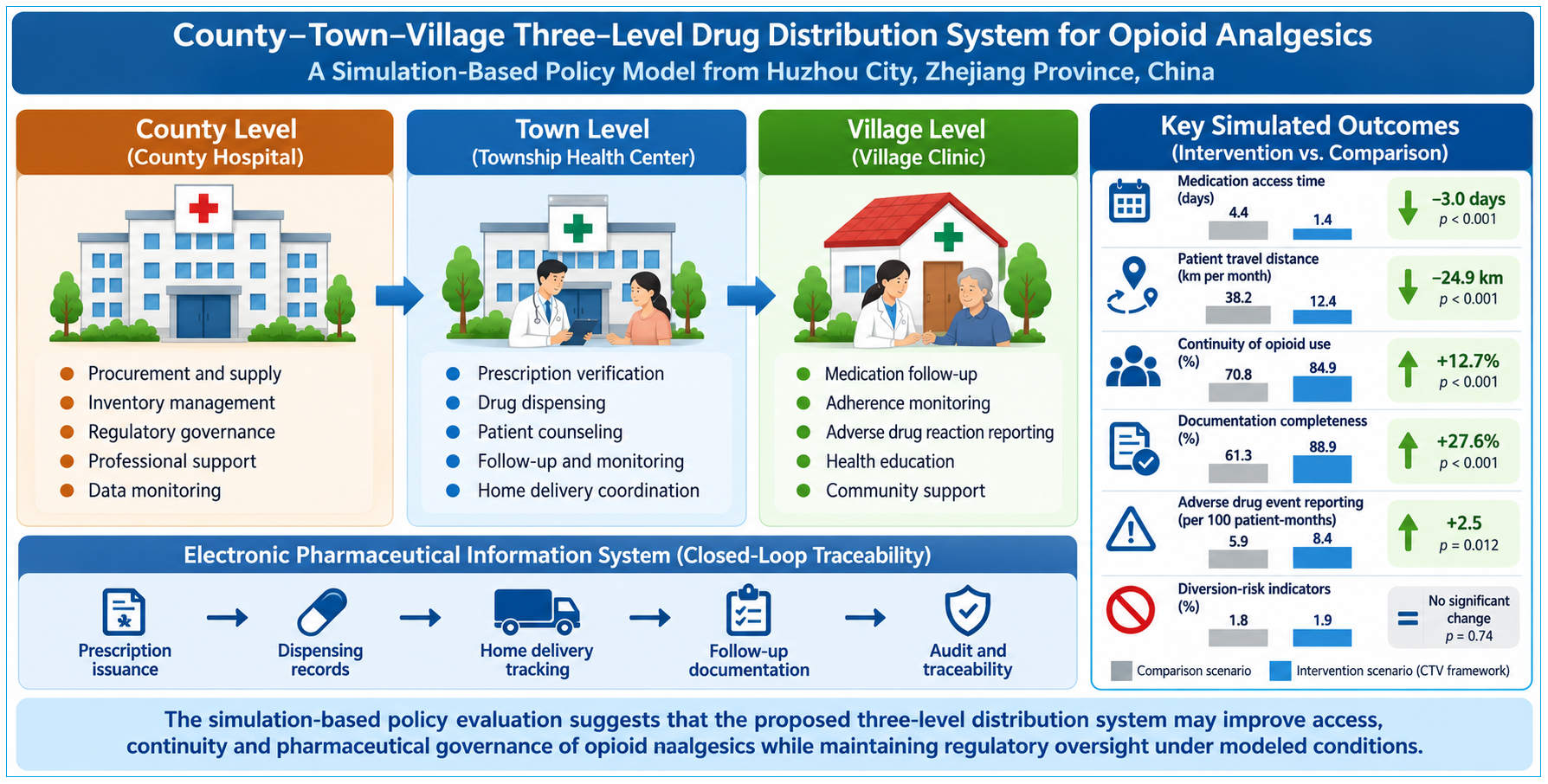
Construction of a county-town-village three-level drug distribution system in county-level medical consortia: A palliative care opioid analgesic model from Huzhou city, Zhejiang province, China

Abstract: Background: In county-level and rural regions of China, access to opioid analgesics for palliative care is constrained by centralized dispensing, fragmented drug distribution systems and limited patient mobility. Although county-level medical consortia have strengthened healthcare integration, an evidence-informed framework for the decentralized yet regulated distribution of controlled medicines remains insufficiently developed. Objectives: This study aimed to develop and evaluate, through simulation-based policy modeling, a County–Town–Village (CTV) three-level drug distribution framework for opioid analgesics within county-level medical consortia using Zhejiang Province as a conceptual case study. Methods: A simulation-based comparative policy analysis was performed using structured simulated data representing 12 modeled county-level medical consortia (six intervention and six comparison counties) over a simulated 12-month period. Simulation inputs were generated from plausible county-level healthcare characteristics, opioid prescribing patterns, travel distances and pharmaceutical governance indicators. Difference-in-differences (DiD) analysis was applied to compare projected outcomes between simulated scenarios, including medication access time, travel distance, continuity of opioid use, documentation completeness, adverse drug event reporting and diversion-risk indicators. Results: The modeled intervention projected shorter medication access time (DiD = −3.0 days; p < 0.001), reduced travel distance (DiD = −24.9 km/month; p < 0.001), improved continuity of opioid use (70.8% to 84.9%; DiD = +12.7 percentage points; p < 0.001) and greater documentation completeness (61.3% to 88.9%; p < 0.001). Simulated adverse drug event reporting increased (5.9 to 8.4 per 100 patient-months; p = 0.012), whereas diversion-risk indicators remained unchanged (1.8% vs. 1.9%; p = 0.74). Conclusion: This simulation-based policy evaluation suggests that the proposed three-level distribution framework may improve access, continuity and pharmaceutical governance of opioid analgesics while maintaining regulatory oversight under modeled conditions. Because these findings are simulation-derived rather than empirically observed, prospective real-world implementation studies are required before policy adoption.

Construction
of a county-town-village three-level drug distribution system in county-level
medical consortia: A palliative care opioid analgesic model from Huzhou city,
Zhejiang province, China
Page No:654-670
Hongwu Wang, Caiying Zhang, Ting Zhu
View Abstract

Browse by Topic

Research Scope & Subjects

Editorial Leadership

View Former Editors-in-Chief

Prof. Dr. Harris Shoaib

Editor-in-Chief

Faculty of Pharmacy and Pharmaceutical Sciences, University of Karachi, Karachi, Pakistan.

Specializing in Pharmacognosy and Natural Products Research, with over three decades of contribution to global pharmaceutical sciences.

2020 — PRESENT

Indexed & Abstracted in Leading Databases